Trending

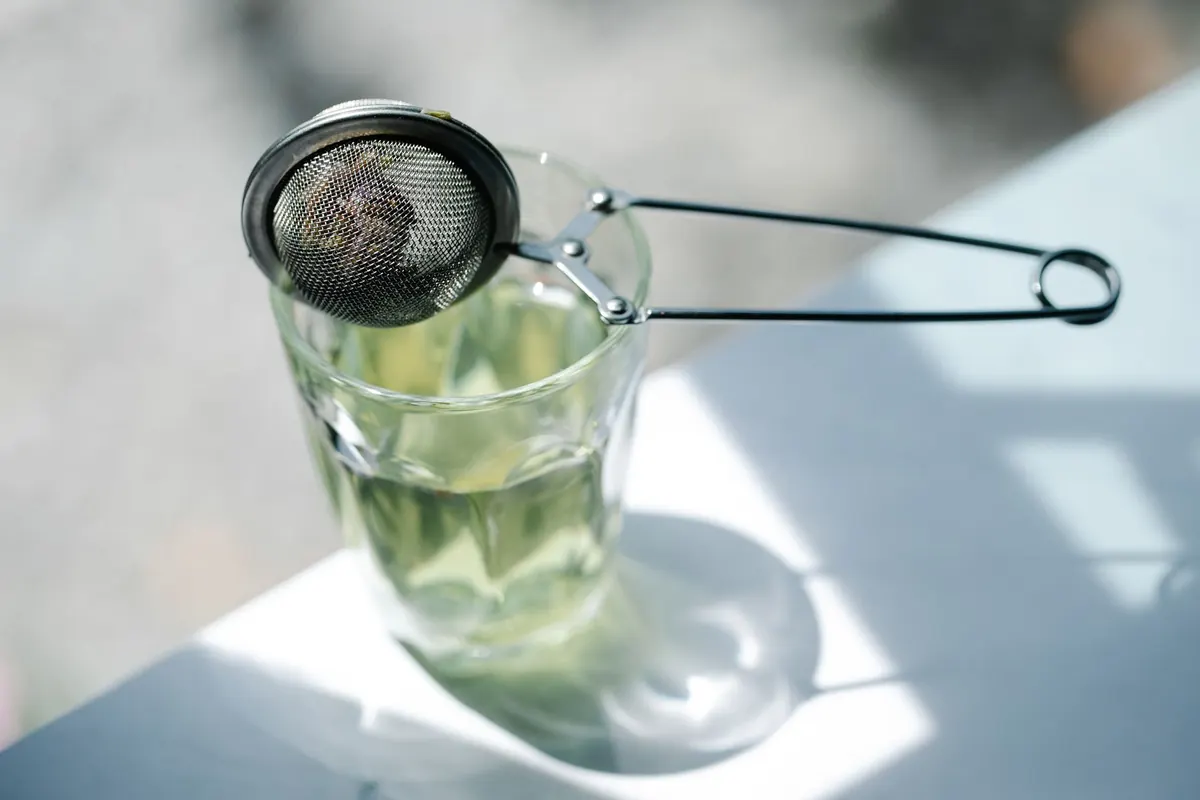
A teapot is pleasant to own and pleasant to look at. It is not what makes tea taste good. Four things do: the leaf, the water temperature, the time, and a way to separate water from leaf before the cup turns bitter. If you own a mug and anything that holds leaves back, you can brew loose leaf tonight — no pot, no ritual you have to learn first.
Before choosing a method, get these four variables roughly right. They matter far more than whether the brewing happens in porcelain, glass or stainless steel.
Without a thermometer, boil the kettle and let it sit. A minute or two off the boil brings the water into oolong range; three or four gets you close to green tea temperature.
This is the fastest route from loose leaf to a decent cup, and the one most people end up using daily. You need a mug and a fine-mesh basket that rests on the rim, or a small handheld strainer.
Watch the basket size. A small basket packed with leaf leaves no room for expansion, and the tea steeps unevenly — strong at the bottom, weak at the top. If that is what you have, use less leaf and give it a slightly longer steep.
A French press is an excellent tea brewer. Full immersion gives the leaf room to open, and the plunger stops the steep when you want it to. Keep one for tea if you can, since coffee oils linger in the mesh and seal.
For a 350 ml press, use about two teaspoons of whole leaf. Add water at the right temperature, stir once, and set a timer. Press the plunger down slowly and gently — you are separating leaf from water, not squeezing flavor out. Then pour every drop into cups or a second pot, because tea left sitting on the spent leaf keeps getting stronger and turns harsh within minutes.
Rinse the press right away. Leaves left in the bottom overnight are harder to clean and leave a stale taste in the next brew.
Gravity infusers — the sort with a valve that opens when the brewer sits on a mug — give you glass, a filter, and no pouring decisions. They suit a desk, where you can watch the leaves open while you work.
A pour-over cone does the same job for less money. A mesh cone behaves like a strainer; a paper filter catches fine particles and some of the oils, giving a clearer, lighter cup. That trade is worth it for a delicate first-flush Darjeeling or a fine green tea, and less worth it for a malty Assam, where the body is the point. Rinse paper filters with hot water first to wash away the paper taste.
Sometimes called grandpa style, this is how a great deal of tea is drunk in China: leaves in the mug, water on top, no filter at all. Drink once the leaves have sunk and the tea has cooled enough, then top up with hot water for the next round.
It works beautifully with whole-leaf oolong, pu-erh and large-leaf green tea. It fails with
Photo: Anna Pou / Pexels