Trending

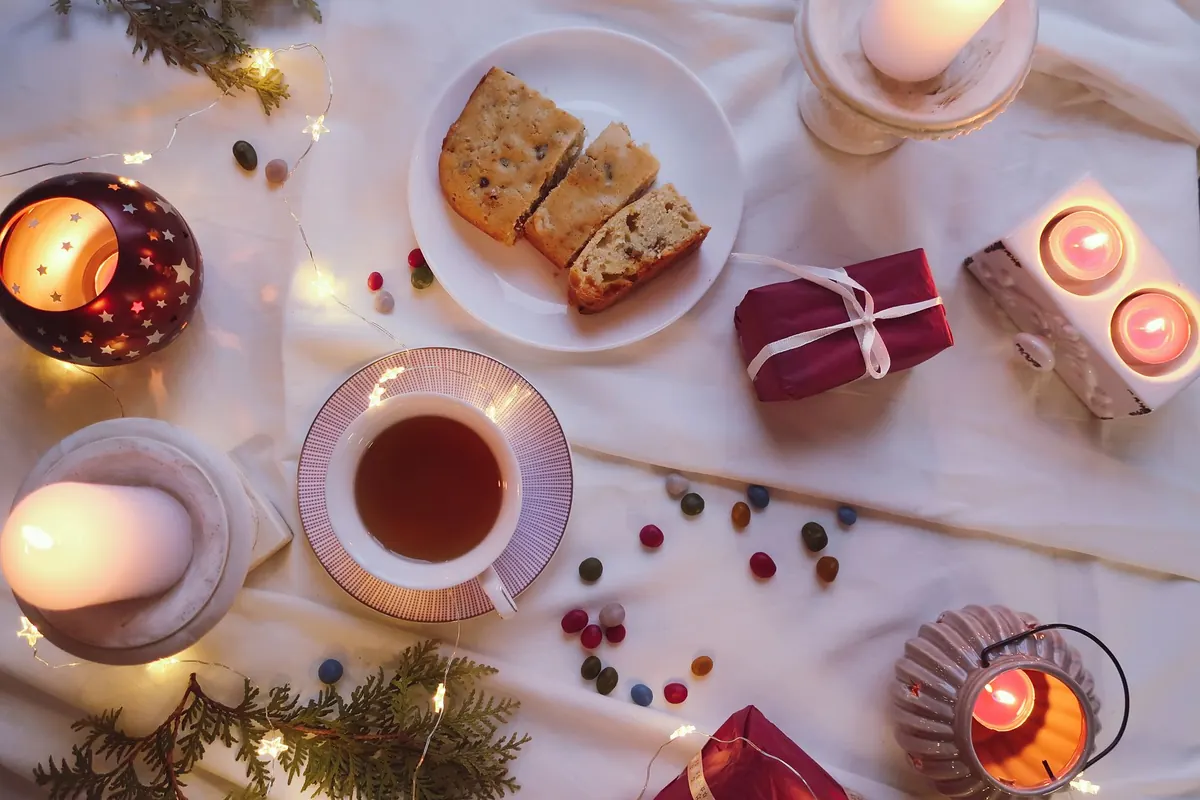
A tea subscription is one of the few gifts that keeps arriving after the occasion is over. It suits people who already drink tea, people who want to drink better tea, and anyone who does not need another candle. The catch is that tea is personal. Send a smoky lapsang souchong to someone who lives on jasmine green and the tin will sit unopened for a year.
Setting one up well takes about twenty minutes and three decisions: what to send, how often, and what to include alongside the tea.
Answer three questions about the person before you browse any subscription page.
What do they drink now? If their cupboard holds supermarket English breakfast bags and a box of peppermint, rare single-origin oolongs may be wasted on them — or they may be exactly the doorway they need. Curious people enjoy a challenge; habit-driven people enjoy a better version of what they already like.
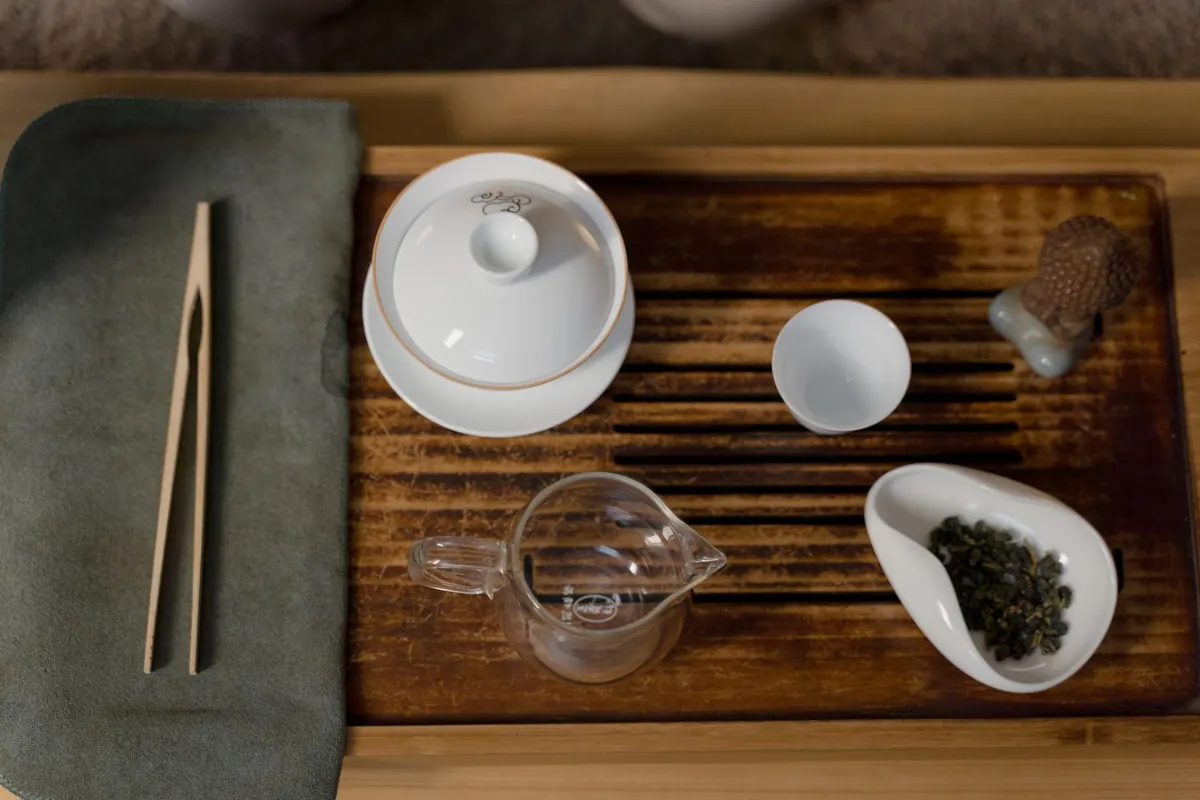
How do they brew? Someone with a kettle, a mug, and thirty seconds in the morning needs teas that forgive a rough steep. Someone with a gaiwan and a scale wants whole leaves and enough of them to experiment with.
Do they like surprises? Some people love opening an unknown tin. Others want to know what is coming. This decides the format later.
If you cannot answer these, ask a housemate or photograph their tea shelf next time you visit.
Most tea retailers sell prepaid gift subscriptions in three-, six-, or twelve-month blocks, delivered monthly or every other month. Settle the practical details first; they are harder to change later than the tea itself.
Check whether the subscription renews automatically after the gift period and who pays if it does. Surprise charges turn a thoughtful gift into an awkward conversation.
Most services let you tick boxes for tea types, caffeine level, and flavoured blends. Use them, but do not over-restrict: exclude six of eight categories and the drinker receives the same two teas on rotation.
Flavoured versus plain. Flavoured blends — bergamot, vanilla, fruit pieces — dominate whatever box they land in. If the recipient drinks plain tea, mark them unwanted. If they live on chai and Earl Grey, leave them in.
Caffeine. Anyone drinking tea after dinner will appreciate a caffeine-free option or two. If the recipient has a medical condition or takes medication, ask a doctor or pharmacist rather than relying on general advice.
Deal-breakers. Use the comment field for allergies and strong dislikes. Smoky and heavily roasted styles are the two most common ones, along with floral notes.
Format. Loose leaf or bags? If the drinker has never used loose leaf, add an infuser to the first box so the tea is not a puzzle.
Accessories make a gift feel complete, but only practical ones survive the first month. Aim for two or three, not a hamper.
Leave out fragile glassware that has to travel, and any novelty infuser with narrow slits that clogs the moment leaves unfurl.
Brewing instructions decide whether a tea tastes wonderful or bitter. Many subscriptions include cards; if yours does not, write your own and clip them to the tins. Five lines each.
Dong Ding oolong — 5 g per 200 ml, water just off the boil, steep 60 seconds. Good for five or six steeps, adding 15 seconds each time. Notice the creamy, roasted-sugar finish on the second cup.
That gives the drinker everything: how much leaf, how hot, how long, how many times, and one thing to look for. The tasting note matters more than it sounds — it gives a beginner something to aim at instead of guessing whether the tea is meant to taste like that.
For someone without a thermometer, write "boil, then wait two minutes." A cue they can act on beats a number they cannot measure.
Two details
Photo: Asya Vlasova / Pexels