Trending

The first morning in a hotel room is a test. There is a kettle that has clearly boiled coffee, two paper cups, and a tea bag that tastes like the box it came in. You cannot fix the carpet or the pillow. You can fix the tea.
A travel kit does that. Not a big one — a small pouch that lives in your bag and turns a hotel kettle, a camp stove, or a thermos of hot water into something worth drinking. The trick is deciding what earns its place, because weight and space are the things you notice first on the road.
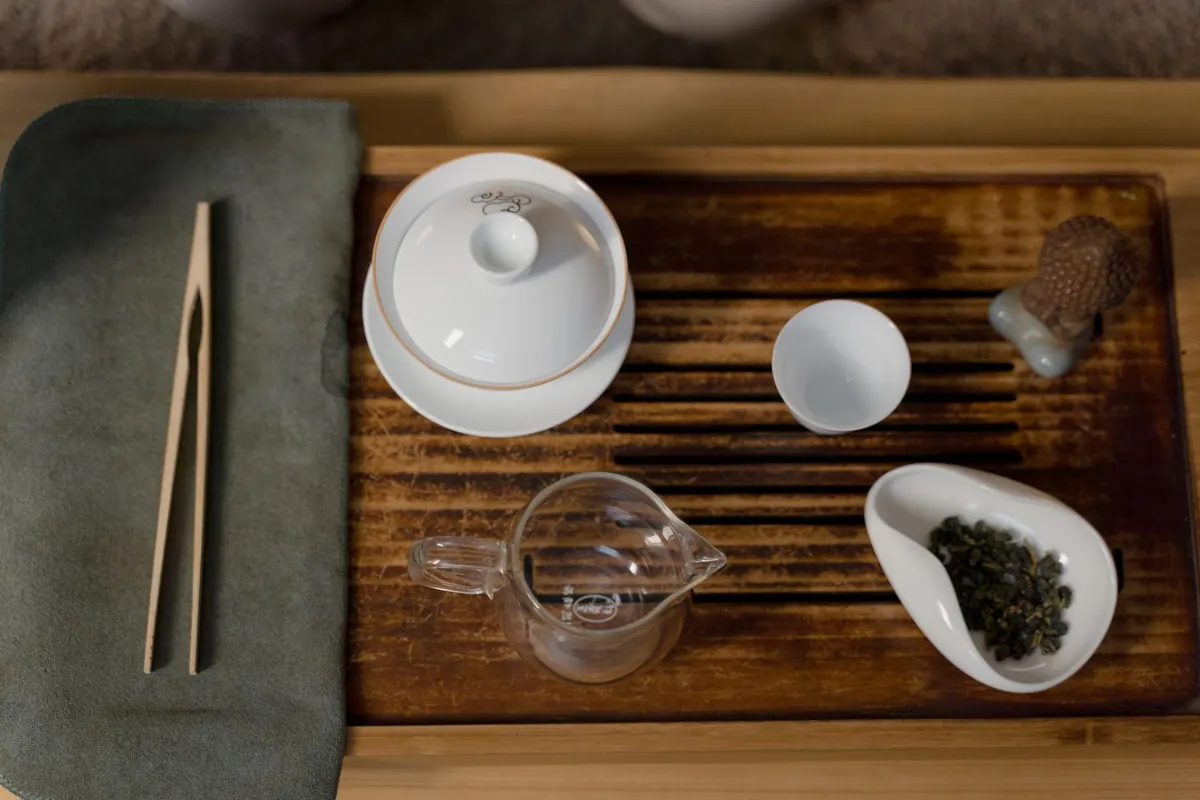
Most people pack tea first, then discover they have nothing to brew it in. Work backward. The vessel decides how much leaf you carry, how many cups you get per pour, and how much room the rest of the kit takes.
Three shapes cover almost everything:
Whatever you choose, add one backup that weighs almost nothing: a few paper filters or empty fillable tea bags. If a basket clogs or cracks, you can still brew.
Leaf size and packaging matter more than the label. Whole-leaf teas handle rough treatment, imprecise water and long days in a bag better than finely broken leaves, which give up their flavour fast and go flat soon after opening.
These categories earn their space:
Skip anything so precious you would not brew it in a tent. Bring tea you actually drink at home.
Pre-portion before you leave. Small zip bags, a weekly pill organiser, or tiny tins holding one day's worth each all work. Pre-portioning removes the scale, the measuring spoon and the thinking at six in the morning.
A kit gets heavy fast if you pack for every possible situation. These items pull their weight:
Leave out the tasting notebook and the gadget you have used twice at home. Most travelling tea drinkers use their eyes and their mouth and get on fine.
The most common reason travel tea tastes wrong is not the tea. It is the water. Tap water in plenty of places tastes strongly of chlorine, and that flavour goes straight into the cup. Fill your thermos from a filtered source, a jug of bottled water, or the dispenser in the lobby.
Heat is the second problem. Boiling is easy; cooling is not. Boil, pour into a cold cup, and wait a minute or two. Or add a splash of cold water. Rough targets: green and white teas around 75–80°C, oolongs 90–95°C, black and puerh near boiling. If you want numbers rather than guesswork, a thin digital thermometer weighs almost nothing.
Run a hotel kettle through one full boil and pour it out before you use it. They often smell of whoever used them last, and that smell transfers.
For timing, count your steeps rather than the clock. The first steep of a rolled oolong is about a minute, the second is shorter, the third longer. Your phone has a timer if you would rather be precise.
Add a collapsible silicone kettle or a travel immersion heater and a foldable cup. If you travel internationally, check the voltage before you plug anything in. A tumbler plus fillable bags is the lightest setup that still makes a proper cup.
Weight rules everything. Bring a titanium mug, a thermos, and tea that likes boiling water: compressed puerh, roasted oolong, hearty black. On warm nights, drop a spoonful of leaf into a water bottle and leave it overnight for cold brew by morning.
Keep a flat pouch with fillable bags and a few portions of leaf. Most cabin crew will provide hot water on request, and an empty bottle refilled at a fountain covers the rest. A small strainer means you are never stuck with the bagged option.
Assemble the core kit at home, weigh it, and keep it packed. A vessel, a strainer, fillable bags, two tins, a cloth and a thermos will cover most trips, and the whole thing should fit in a pouch the size of a paperback.
Then adjust by trip, not by mood. Cold climate, add a thermos. Long flight, add fillable bags. Camping, swap the ceramic for something that can be dropped. Repack when you get home, refill the tins, and the next cup on the road is one kettle away.
Photo: Tima Miroshnichenko / Pexels