Trending

A tea bag makes a small promise: hot water in, tea out, nothing to think about. A tin of loose leaf asks a little more — a spoon, a strainer, maybe a moment's attention to water temperature. Both make tea. The question is which one fits the way you actually drink it. What follows is a plain comparison of flavor, convenience, cost, waste and effort, without pretending that one approach is morally superior to the other.
Most standard tea bags are filled with fannings or dust: very small pieces of leaf left over after the larger leaves are sorted out for other markets. Those tiny pieces expose a huge amount of surface area to hot water, which is why a bag brews strong in three minutes flat and fits neatly into a flat paper pouch. The trade-off is speed. Fast extraction pulls tannins and bitterness out along with the good stuff, and the aromatic oils that make a tea smell like orchids, cocoa or honey fade quickly once a leaf is broken into crumbs.
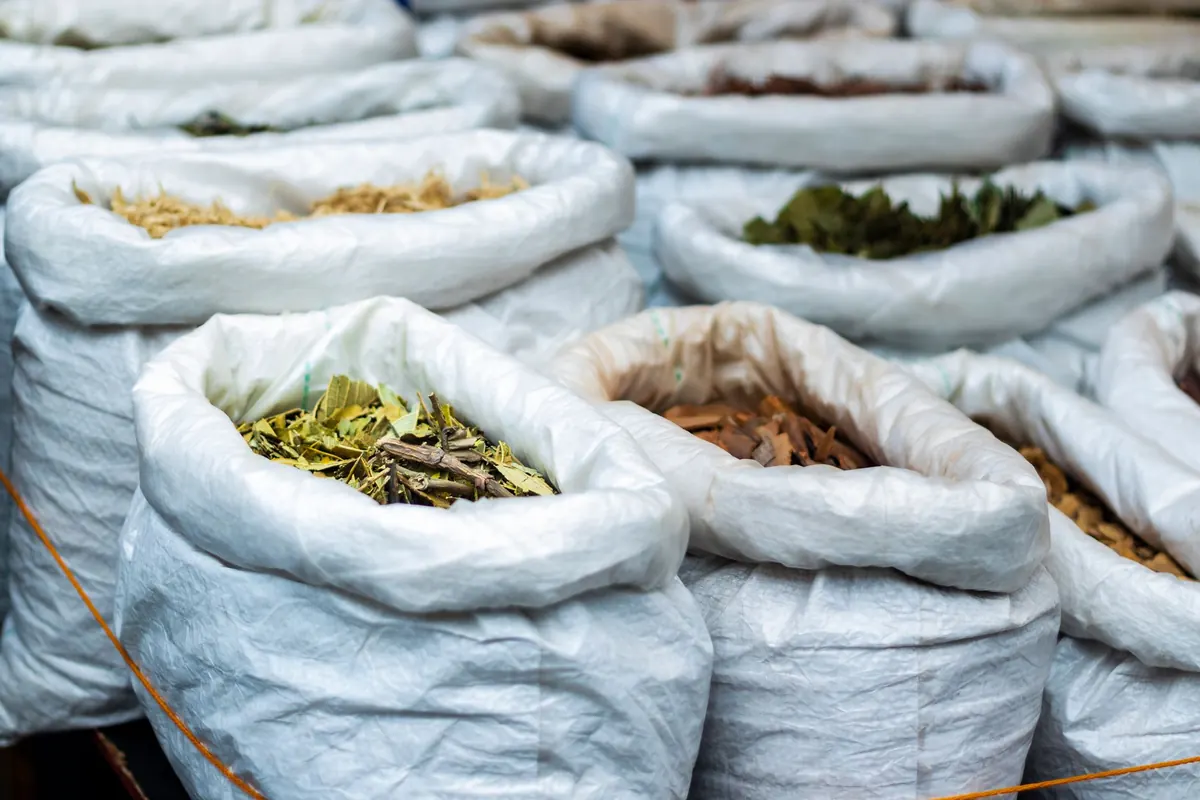
Loose leaf usually means whole leaves or large broken pieces. A whole leaf unfurls slowly, releasing flavor in stages rather than all at once. That is the whole difference in a sentence. It is not a different plant — the same Camellia sinensis bush supplies both — but the grade, handling and freshness are often not the same.
There is a middle ground worth knowing about: pyramid sachets and mesh bags filled with whole leaf. You get the tidy packet and much of the flavor. If you are curious, start there.
Brew a bagged Darjeeling and a loose leaf Darjeeling side by side, same water, same mug, and taste them one after the other. The bagged cup often arrives first with a blunt, drying edge. The loose leaf cup tends to be lighter at the front and more layered as it cools — you notice something new at the second sip, and again at the last one.
That said, consistency has value. Supermarket blends are engineered to taste identical from box to box, year to year, which is genuinely difficult to do and genuinely useful if you drink the same cup every morning and want no surprises. Loose leaf, especially single-origin tea, varies by harvest. Some drinkers love that; others find it annoying.
Nothing beats a bag when you are at a desk, on a train, or in a hotel room with a kettle that offers exactly one temperature. Tear, drop, wait, done. No measuring, no cleanup beyond the bin.
A box of bags looks cheap and a tin of loose leaf looks expensive, but the comparison is unfair. A bag holds roughly two grams of leaf, sometimes less, and you are also paying for the bag, the string, the tag, the envelope and the box. With loose leaf you buy weight. You measure two or three grams yourself, and good whole leaf often gives you a second and even third infusion from the same spoonful.
Per cup, loose leaf frequently comes out cheaper — but only if you drink it. Three tins bought in a burst of enthusiasm and left to go stale behind the coffee jar is the most expensive option available. Buy small quantities, refill often, and let your actual drinking habits set the pace. If money is tight, that arithmetic matters more than any brand recommendation.
A conventional tea bag arrives wrapped in a foil or paper envelope, stapled to a string and tag, packed in a cardboard box. Some bags are fully compostable paper; others use nylon or PET mesh, and some paper bags are heat-sealed with a thin plastic strip. It varies by brand, so read the box if this matters to you.
Loose leaf is not automatically zero-waste. It may come in a foil-lined pouch. But the leaves themselves compost readily, spent tea is good for houseplants and garden beds in moderation, and a single tin can be refilled for years. The simplest improvement is to keep one airtight tin and buy refills, which removes the box, the wrappers and the tags in one move.
Less than you think. A basket infuser in a mug is functionally the same routine as a bag, with one extra rinse at the end.
Tea contains caffeine, and herbal blends vary widely in what they contain. If caffeine or a specific herb matters for a health condition or a medication you take, check with a pharmacist or doctor rather than guessing.
Keep both. Bags live in the desk drawer, the gym bag and the suitcase. Loose leaf lives at home, where you have ninety seconds to spare and a kettle you control. Buy a small amount of one tea you already like — an English breakfast, a jasmine green, a roasted oolong — plus a basket infuser and a tin. Store it away from light, heat and spices, and note the date on the lid.
Drink it for two weeks before deciding anything. If the loose leaf sits untouched while you reach for the bags, you have your answer, and you have lost very little. If you start noticing the difference between the first and second steep, you have found something worth keeping.
Photo: Evandro Paula Alves / Pexels