Trending

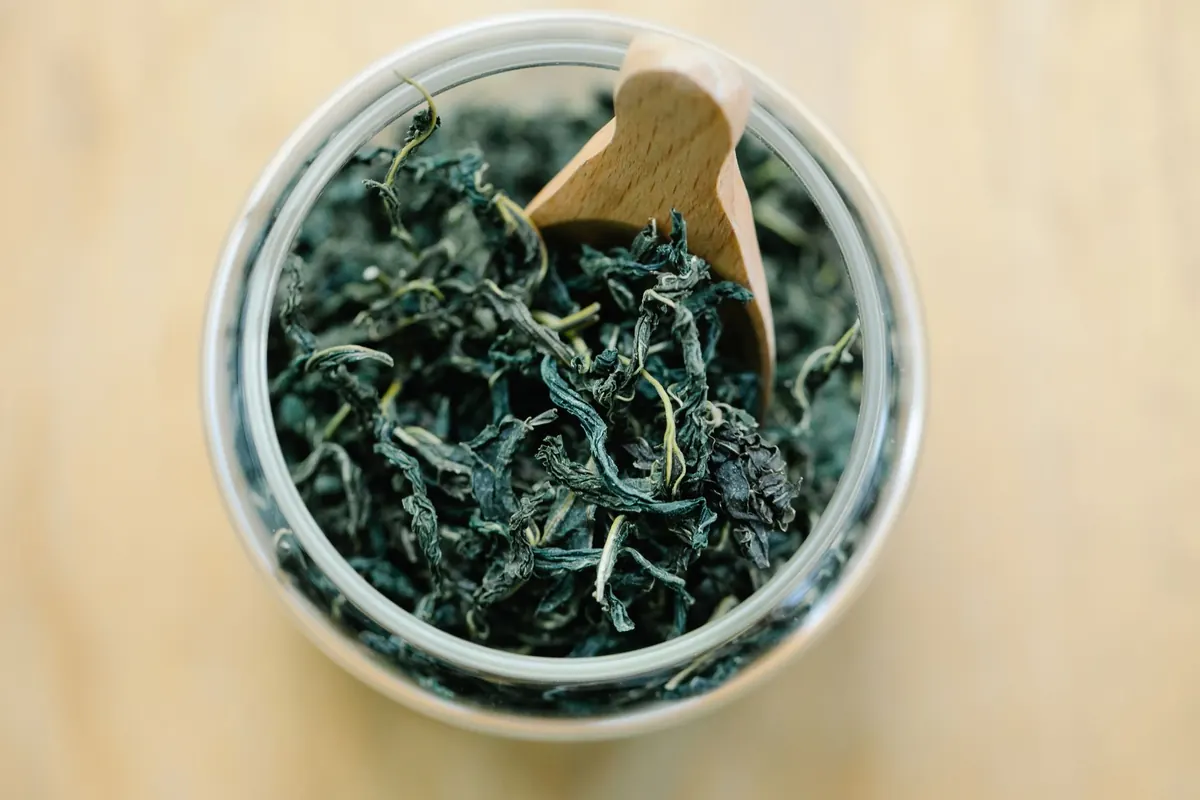
A first loose leaf order is a small leap of faith. The tea comes by weight instead of by the box, the flavor depends on water you control, and the leaf will sit in your cupboard for weeks after the parcel is opened. None of that is a reason to hesitate. It is a reason to ask a few questions before you pay.
Most of these questions have short answers, and a good shop will welcome them. Below are eight, grouped into the headings below, followed by two practical sections that make the first order easier. You can run through the whole list in about five minutes at checkout. Treat it as a conversation starter, not an interrogation. The goal is simply to know what you are buying, how to brew it, and whether it fits the way you actually drink tea.
Tea is an agricultural product, and it fades. Green teas and lightly oxidized oolongs lose their aroma fastest, often within months of harvest. Roasted oolongs, black teas, and pu-erh hold their character much longer, and some improve with time. So the first question is simple: how fresh is this tea, and how has the shop stored it since it arrived? Ask how often a given tea gets restocked, and whether the shop buys in small lots or in bulk. A seller who tracks this will answer in one sentence. A vague answer tells you something too.
The second question is when it was harvested. If the page shows a "packed on" date but no harvest date, ask for the harvest. Packing day is when the tea went into a bag, not when it came off the bush. Season changes the cup more than most new drinkers expect: a spring-harvest Japanese sencha tastes grassy and bright, and by the following spring it is softer and flatter. Darjeeling picked in spring is light and floral, while the summer picking is rounder and often described as muscatel. A best-by date is useful, but on tea it usually signals quality rather than safety, so treat it as guidance.
If the shop cannot name a harvest year, that is not automatically a dealbreaker. Blended teas and flavored teas often combine lots, and some aged teas are intentionally old. But for unflavored green, white, and lightly oxidized oolongs, freshness is one of the biggest differences between a lively cup and a dusty one.
"Product of Japan" is a start. Uji or Kagoshima tells you more. So does Yunnan versus Fujian, or Nilgiri versus Assam. Single-estate or single-garden labels are not automatically better tea, but they suggest someone is paying attention to traceability. If the shop names a farm or a cooperative, better still.
Then look at the processing, because that is what the leaf will actually taste like. Terms such as first flush, steamed, pan-fired, lightly oxidized, charcoal-roasted, or CTC describe what happened after picking. If you are after something delicate and the description mentions smoke, malt, and heavy oxidation, you are looking at a very different drink. Ask how the shop would describe the body: light, medium, or full.
If those details are missing, ask. A shop that cannot tell you whether a tea is steamed or pan-fired, or whether it is a first flush or an autumn picking, is either selling a blend where that matters less or is not close enough to the source to know. Either way, you deserve to know before you buy.
Loose leaf means you supply the variables a tea bag removes. Ask four things: water temperature, how much leaf, how long to steep, and whether the tea is worth a second or third infusion. As a rough starting point, many greens and whites do well around 70-80°C for two to three minutes; oolongs around 85-95°C with shorter steeps; black teas near boiling for three to five minutes. Adjust from there to suit your own taste.
A kitchen scale is the most useful upgrade you can make. Many shops suggest roughly two to three grams of leaf per 250 ml of water as a baseline, and spoon measures vary wildly depending on how fluffy the leaf is. Beyond that, a mug, a fine strainer, and a kettle are enough to begin. You do not need a dedicated pot to find out whether you like a tea. If caffeine is something you need to manage for a health reason, speak with a qualified health professional rather than relying on a product page.
Ask what the shop recommends for the specific tea, not just the category. A delicate first-flush Darjeeling and a brisk Assam are both black teas, but they do not want the same treatment. If the product page lists one generic "black tea: 100°C, 5 minutes" instruction, ask for a better starting point.
Buy what you can drink while the tea is still good. For a first order, that usually means 25 to 50 grams of several teas rather than 250 grams of one. Samples and small pouches cost a little more per gram, but they are cheaper than a large bag you never finish. If the shop sells a sampler of a region or style, that is often the fastest way to learn what you actually like.
Consider your habits, too: one cup a day means 50 grams lasts roughly three to four weeks for many teas, while several cups a day will finish it faster. If you drink tea only on weekends, buy smaller. If you share a pot with someone else, size up. The right amount is the amount you will finish before it goes stale. Also ask about package size options. Some shops sell 10 g sample pouches, 50 g tins, and 100 g refill bags. If you fall in love with a tea, you can reorder. If you do not, you have lost a few dollars, not a cupboard shelf.
Ask how the tea is packaged. Loose leaf likes airtight, opaque, and moisture-free conditions. A heat-sealed foil pouch with a zip closure is a good sign. A clear cellophane bag tied with ribbon is charming but not ideal for long storage. Tins are reusable and protect against light, but only if they close tightly. If the tea arrives in a paper bag, plan to transfer it to a tin or jar as soon as possible.
You do not need a vacuum sealer or a cabinet full of gear. Keep tea away from light, heat, moisture, and strong smells. A cupboard away from the stove is fine. Do not store tea in the fridge unless it is sealed and you are willing to let it come to room temperature before opening; condensation is worse than a little warmth. Ask the shop whether the tea is packed to order. If it is, that is usually a point in its favor.
Before you pay, check the practical details. How fast does the shop ship, and does it pack tea in odor-proof material? If you are ordering in summer, ask whether heat-sensitive greens are shipped with a cold pack or at least quickly. What is the return policy if a tea arrives damaged or clearly stale? No shop can guarantee you will love every leaf, but a good one will make a genuine problem right.
It also helps to know whether the shop offers brewing support. Can you email or message them with questions after the order arrives? Will they suggest a different steep time if the first cup tastes bitter? A seller who answers before the sale and after it is usually a seller worth keeping.
If you would rather not compose an email from scratch, keep it short:
You do not need to ask all eight questions every time. After a few orders, you will know which details matter most for the teas you drink. But for a first loose leaf purchase, asking them is the difference between hoping for the best and knowing what is in the parcel.
Good tea shops do not mind questions. They would rather you brew a cup you enjoy than sell you a bag that sits untouched.
Start small, write down what you taste, and let your next order be guided by the cup in front of you. The first loose leaf order is not a test. It is simply the first page of a longer list.
Photo: Anna Pou / Pexels