Trending

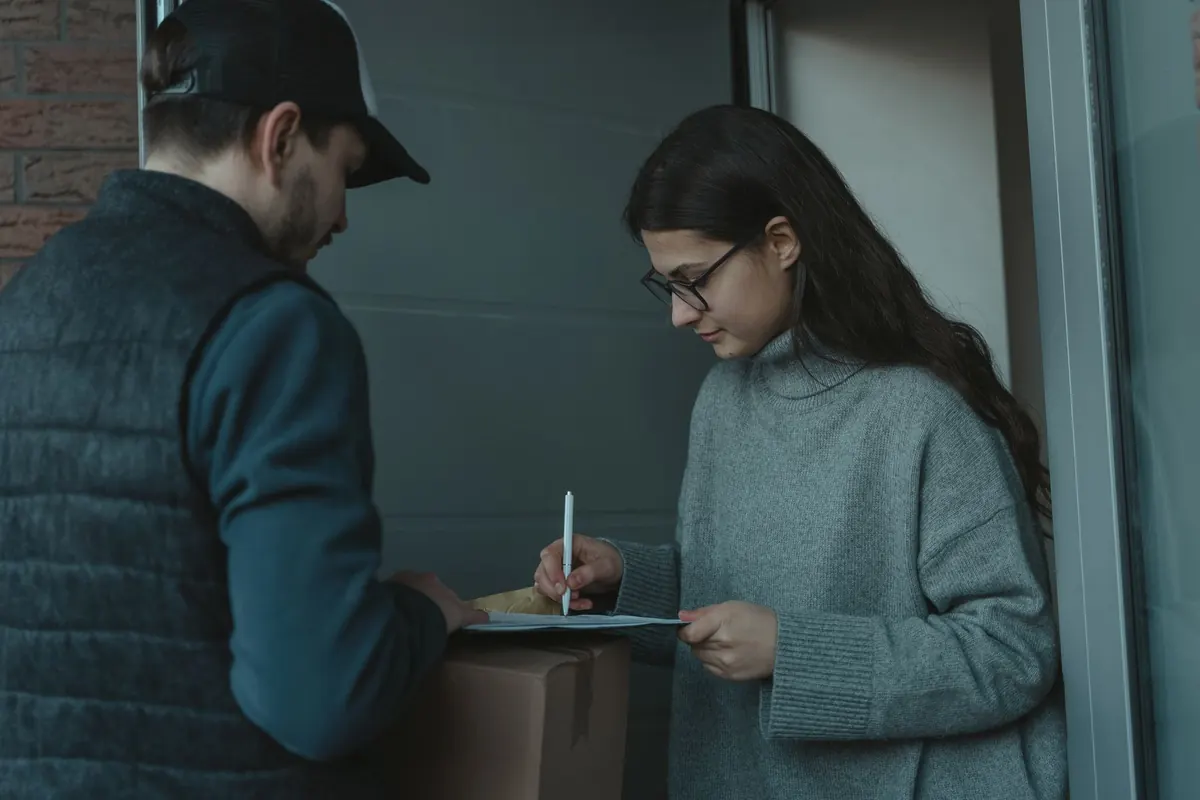
Two tea subscriptions can cost roughly the same each month and still feel nothing alike. One arrives as a slim envelope holding four small pouches: a first-flush Darjeeling, a grassy sencha, a roasted oolong, something piney and smoked. The other is a single 100-gram bag of one tea you'll drink every morning until it's gone. Both show up on your doorstep. They solve completely different problems.
Sample boxes are for finding out what you like. Full-size deliveries are for living with it. The trick is knowing which stage you're in.
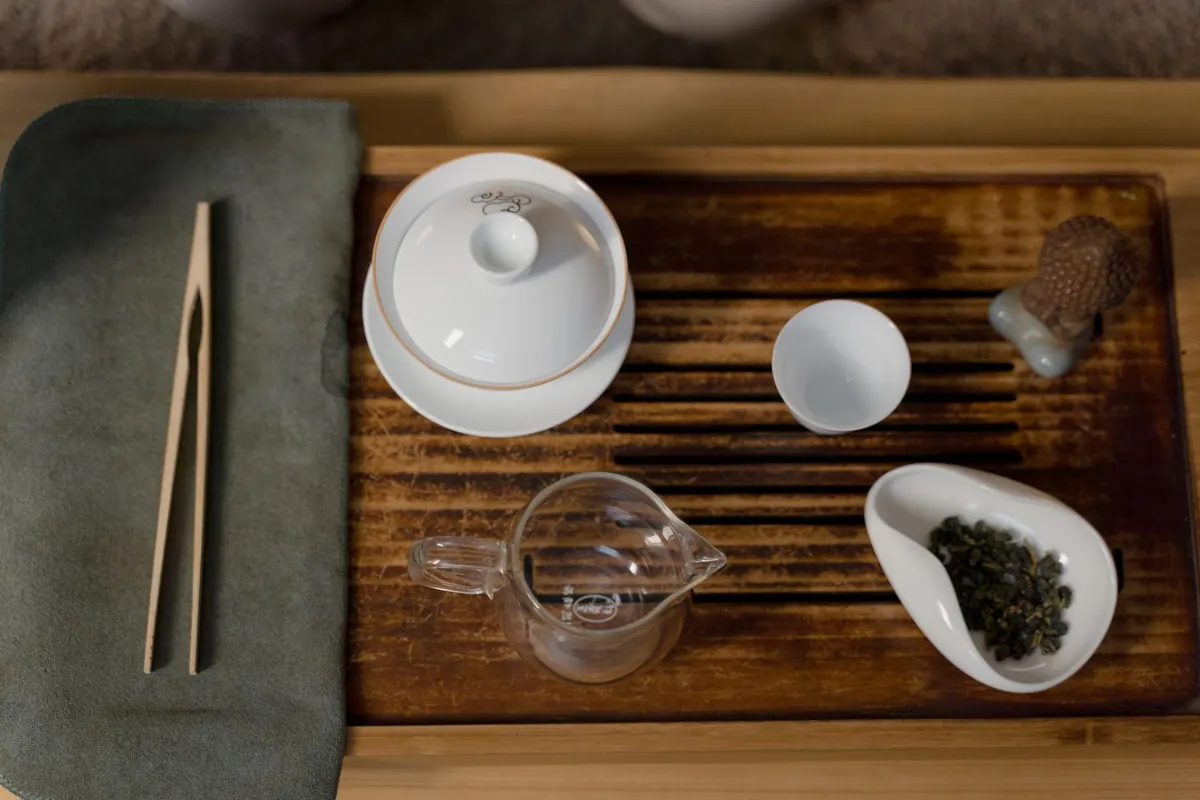
A discovery box is curation first, volume second. You'll typically get five to fifteen grams of each tea, sometimes with brewing notes, origin details, or a card suggesting water temperature. The point isn't to stock your shelf. It's to put four or five very different cups in front of you in the same week, so you can taste the difference between a high-mountain oolong and a roasted one while both are still fresh in your memory.
A full-size subscription runs the other way. It sends one or two teas — often 50 to 250 grams — chosen for you or selected from a menu. The pleasure is repetition: learning how a tea shifts when you drop the temperature a few degrees, or how it tastes on a slow Sunday versus a rushed Tuesday. You're not sampling anymore. You're settling in.
Sticker price tells you very little. Divide the price by the grams, then divide again by the amount you use per brew. If you scoop about 2.5 grams into a cup, a 100-gram bag gives you roughly 40 cups, while a 40-gram sample box spread across four teas gives you about 16. Sample boxes almost always cost more per cup, and there are real reasons for that: rare lots are bought in tiny quantities, small pouches cost more to fill and ship, and the curation itself is part of what you're paying for.
That premium is fine if you're using it. It stops being fine when the pouches pile up unopened in a drawer. Opened tea loses its aroma within weeks, not years, so the most expensive tea in your kitchen is the one you never got around to brewing.
Value isn't grams per dollar. It's cups you actually enjoyed.
Four new teas a month is nearly fifty new teas a year. That sounds like an education, and it can be — but it can also outpace your drinking. A gentler approach is to treat each box as a month's worth of exploring rather than a week's, and to keep notes. Even a plain notebook with three lines per tea ("what it is, how I brewed it, would I buy it again") turns a fun box into something you can act on later.
Full-size subscriptions flip the trade-off. You get depth on one tea instead of breadth across many. If you already know you love Assam at breakfast and jasmine green in the afternoon, a rotating single-origin delivery keeps the cupboard stocked while nudging you slightly outside your usual picks.
Discovery boxes tend to be the looser arrangement. Month-to-month billing, easy skipping, quick cancellation. That flexibility is part of the product, and it's why they're often the safer first step.
Full-size plans lean toward commitment. Many offer a discount for paying quarterly or annually, and a few require a minimum number of deliveries. Before you enter card details, find the answers to these:
Five minutes on the FAQ page beats three months of tea you didn't choose.
These two models don't have to compete. A workable setup for many drinkers: one full-size delivery of a dependable everyday tea, plus a sample box every other month for exploration. You always have something to drink and something new to try, and the exploration budget stays small enough to be guilt-free. If a sample wins you over, order it full-size on its own rather than waiting for it to reappear in a rotation.
The most common subscription mistake is buying a year of something you've never tasted. Buy one month. Brew it. Then decide.
If money is tight, treat the monthly charge like any other recurring bill: know the amount, know the cancellation window, and don't stack an annual discount on a habit you haven't tested for a full season. And if you're choosing tea for a health reason rather than a flavour one, it's worth talking to a qualified professional rather than relying on a subscription box description.
Beyond that, the choice comes down to a simple question. Do you want a tasting flight, or a full shelf? Answer honestly, and either subscription will feel like money well spent.
Photo: betül nur akyürek / Pexels