Trending

You ordered it for a reason: the muscatel bite of a good Darjeeling, the buttery finish of a spring oolong, the jasmine that stayed in your head for a week. Then the parcel arrives, you brew a cup, and it tastes like a wet cardboard box that once held tea. Nothing was wrong with the leaf when it left the warehouse. Something happened in between — on a loading dock, in a van, in your front hall — and most of it was avoidable.
Delivered tea is fragile in ways that a sealed jar of coffee or a tin of spice is not. What follows are the mistakes that flatten aroma fastest, and the small corrections that keep a shipment tasting like it should.
Tea does not need to be beautiful, but it does need a barrier. The aromatic compounds that make a tea distinct are volatile, which is a polite way of saying they leave. Thin polyethylene bags, folded kraft pouches with a tin tie, and plain paper sacks let those compounds drift out while letting odors from the rest of the mail drift in.
Two problems tend to arrive together: oxygen and compression. A pouch that is mostly air means every shift in the back of a van lets the leaf rub against itself. Whole leaves that show up as broken flakes will brew bitter and thin even if the flavor was intact.
A delivery van parked in the sun is not a mild environment. Heat accelerates the oxidation that turns fresh green and lightly oxidized teas flat, dull, and hay-like. Black teas are more forgiving, but they still lose the top notes that made them worth buying. The same applies to a metal mailbox, a south-facing porch, or a lobby radiator where a courier leaves a parcel because nobody was home.
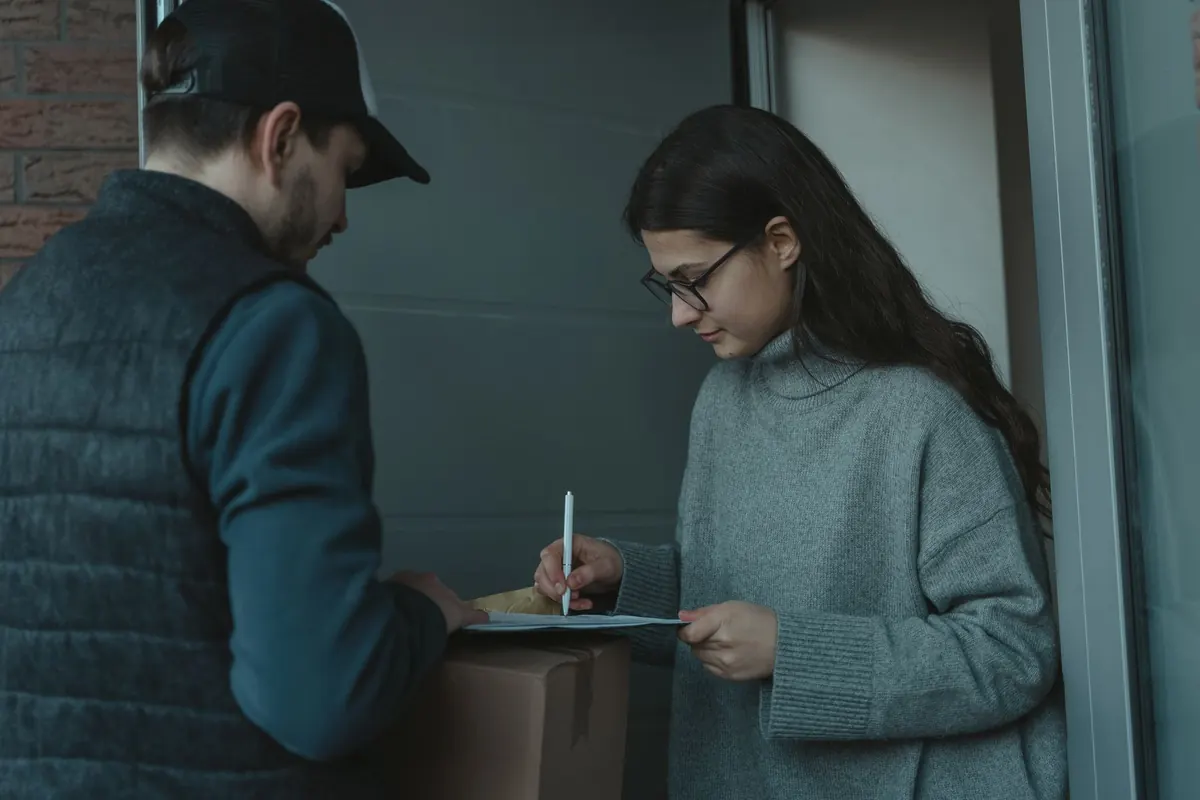
Fix it with logistics rather than hope. Leave delivery instructions that name a shaded spot, a side door, or a nearby pickup point. If you know you will be away, reroute the parcel before the first attempt. Ordering early in the week also helps, because a package that lands Friday afternoon and waits until Monday has spent two extra days somewhere you cannot see.
Customs holds, misrouted addresses, and consolidated freight add weeks, not hours. A tea that spends a fortnight on a warm dock is often still drinkable; it just will not be what the description promised. Track shipments and collect them the day they land. If a parcel disappears for a month, taste it before you serve it to anyone you like.
Resist the urge to rip everything open at once. If the parcel is cold — a winter delivery, or a chilled cargo hold — let it sit sealed at room temperature for an hour or so. Cold tea meeting warm, humid air condenses moisture directly on the leaf, and that dampness is the start of a muggy, muffled cup.
Then open one bag and smell it. Cardboard and dust mean the packaging lost the fight. Mustiness, a damp basement note, or any visible fuzz means the tea is spoiled; throw it out rather than brewing it. A clean, bright, or faintly sweet aroma means you are in business.
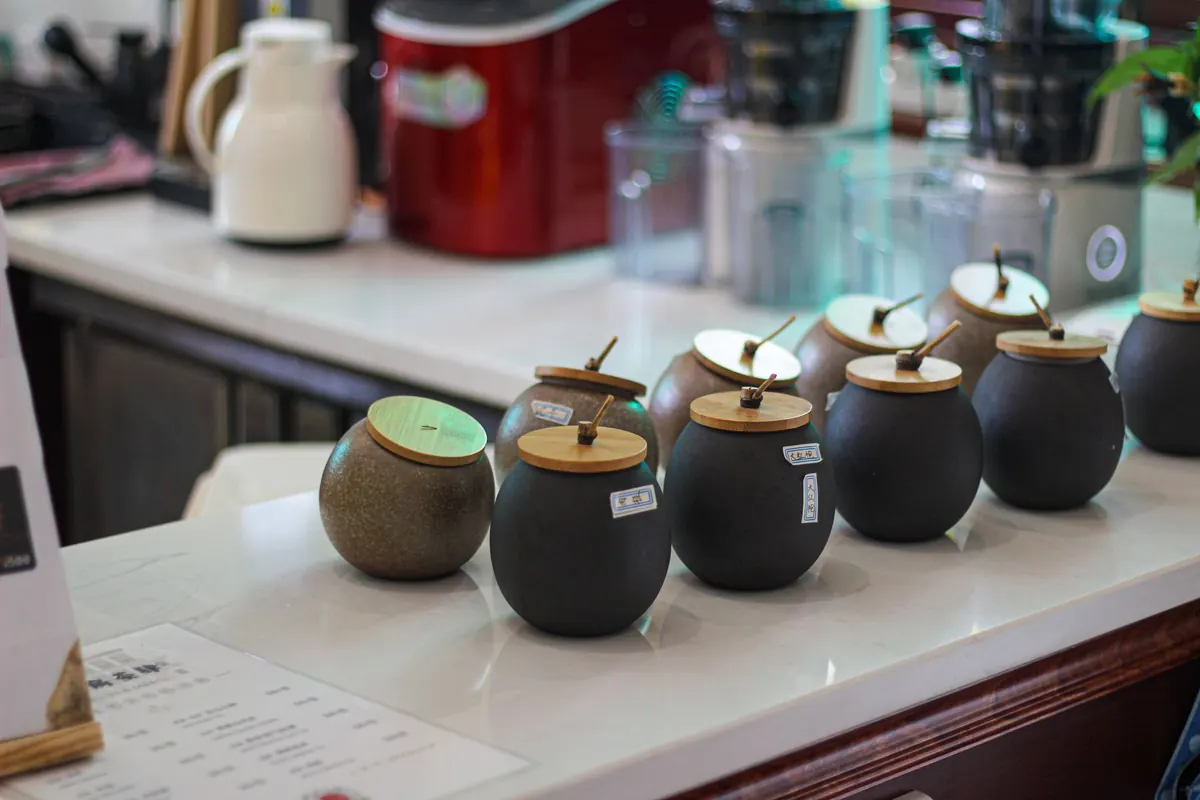
The five things that ruin stored tea are light, heat, moisture, air, and other smells. Almost every home storage mistake involves at least two of them.
Buy amounts you will finish while they are still good. Delicate greens and lightly oxidized oolongs fade fastest; roasted oolongs, aged pu-erh, and many black teas hold up longer. If you love a tea enough to buy in bulk, ask the seller to split it into smaller sealed units. Opening one 100-gram pouch each month is a very different exercise from opening a single large bag thirty times.
It also pays to ask how a shop packs before you order, and to notice how quickly they dispatch. A great tea in a poor bag shipped slowly will disappoint you more reliably than a modest tea that arrives within a week.
None of this takes much effort. A thoughtful seller does half the work before the box leaves the building; the other half is a matter of where you put the parcel, how quickly you open it, and what you store it in. Get those three right, and the cup you brew three weeks from now will still taste like the one you were promised.
Photo: sven chen / Pexels